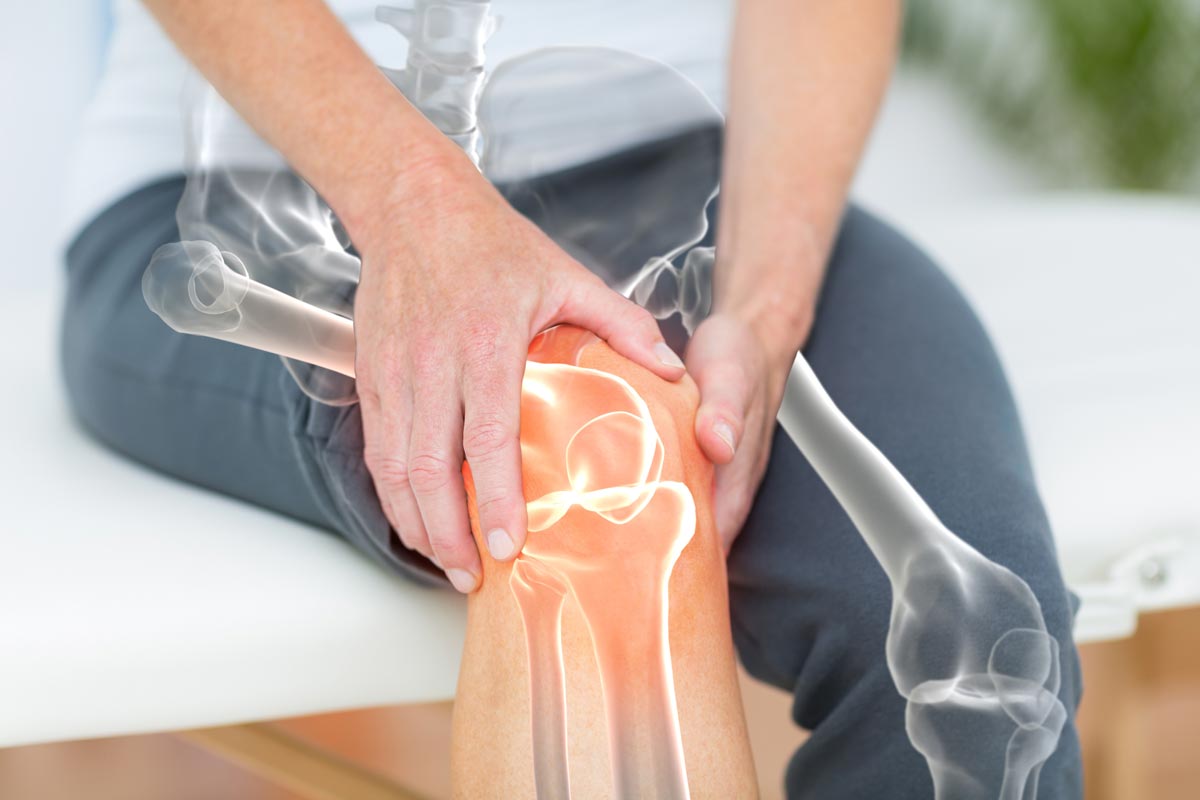
Joint pain is common after a car crash or a bad fall. It can start right away. It may show up days later. You might feel swelling, stiffness, or pain when you move. Yes, that can feel scary. That’s because your joints can get hurt, strained, or inflamed during an accident.
The good news is you can treat it early. When you get care fast, you help your body heal better. For example, physical therapy can help you move more comfortably. Simple home exercises can also help you build strength. In some cases, a doctor may suggest a joint injection to calm swelling.
At Physicians Group, LLC, we care for accident injuries every day. We offer exams, imaging, therapy, and pain care in one place. So, you don’t have to run around for help. We’ll guide you step by step and help you move forward with confidence.
What Should You Know About Joint Pain and Its Symptoms?
Joint pain after a car crash or fall is your body’s warning sign. It tells you something isn’t right. You may feel pain, swelling, or stiffness. You might also notice warmth or redness.
These are common joint pain symptoms. When you spot them early, you can get care fast. That can help you heal more quickly and protect your mobility.
Acute joint pain often shows up as discomfort, swelling, or difficulty moving. Sometimes, you may hear sounds in the joint. These signs can come from injury, inflammation, or other health issues.
So, the sooner you understand them, the sooner you can take action. To help you out, let’s break down the most common signs.
Pain
Pain can feel sharp, dull, or throbbing. It may stay constant or happen only with movement. In most cases, pain indicates that the joint tissues are stressed or irritated. So, don’t brush it off.
Swelling
Swelling happens when fluid builds up in the joint. As a result, the area may look puffy or feel warm. This can make daily tasks more challenging.
Stiffness
Stiffness often starts after rest or sleep. You may find it hard to move at first. That’s because the joint is not gliding as it should.
Limited Range of Motion
You may not bend or straighten the joint fully. Over time, this can affect how you walk, lift, or reach. So, it’s important to address it early.
Tenderness
Tenderness means the joint feels sore when you touch it. This usually indicates irritation of the nearby tissues.
Redness
Redness can indicate increased blood flow due to inflammation. If it doesn’t fade, you should get it checked.
Noisy Joints
You might hear clicking, snapping, or grinding. Occasional noise is normal. However, steady sounds may mean cartilage wear or alignment changes.
Weakness or Instability
Weakness can make the joint feel shaky or unsafe. This may raise your risk of another injury. That’s why early care truly matters.
What Are the Most Common Causes of Joint Pain?
After a crash or fall, your body goes through a lot. Sometimes, the pain doesn’t fade. Joint pain can start suddenly or build up over time. When you understand the causes of joint pain, you can make smarter choices about treatment and healing.
Here are the most common reasons you may feel pain in your joints:
- Injuries: A hard hit can stretch or tear ligaments. It may also damage cartilage, which cushions your joints.
- Repetitive strain: Doing the same movement daily can stress a joint. Over time, this can irritate tissues and cause swelling.
- Wear and tear: As years pass, cartilage can thin. Also, mild inflammation may develop inside the joint.
- Inflammation: Your body may release chemicals that break down cartilage. This can lead to stiffness and discomfort.
- Autoimmune conditions: In some cases, the immune system attacks healthy joint tissue. As a result, long-term inflammation can occur.
It’s not always simple. But with early care, you can ease pain and protect your joints for the future.
How Can You Relieve Joint Pain Effectively at Home?
You can ease joint pain at home with simple steps. You don’t always need complex care right away. Small changes can make a big difference.
First, try gentle movement. Low-impact exercise, like swimming or gentle stretching, helps keep your joints flexible. It also strengthens the joint. As a result, you may feel less stress and strain.
Next, use heat or ice. Ice can lower swelling after activity. Heat can relax tight muscles. So, you can choose what feels best for you.
Also, paying attention to your weight and diet can help. Extra body weight adds pressure to your joints. Studies show that weight loss plus exercise can lower inflammation and reduce pain.
If you’re wondering how to relieve joint pain, start with these steps. They’re simple, safe, and often very helpful.
What Are the Medical Treatments for Joint Pain?
The right joint pain treatment depends on what caused your pain. After a crash or fall, your joints may feel swollen or stiff. So, you need care that fits your injury. Doctors often mix medical care with healthy habits. This helps lower pain, improve movement, and protect your joints over time.
Here are the main treatments for joint pain.
1. Prescription Medications
Doctors may suggest anti-inflammatory drugs or pain relievers. These medications can lower swelling and ease discomfort. In some cases, they may prescribe special drugs for autoimmune conditions. These can slow joint damage. However, you should always take them as directed. That way, you stay safe and get the best results.
2. Physical Therapy
Physical therapy helps you move better and feel stronger. A trained therapist will guide you through simple exercises. These exercises build muscle around the joint. As a result, your joint feels more stable. Over time, therapy can improve balance and daily function. It can also lower the risk of future injury.
3. Joint Injections for Osteoarthritis Knee Pain
Some patients benefit from joint injections. For example, steroid shots can reduce inflammation fast. Hyaluronic acid shots can add cushion inside the knee. These options often help people move with less pain. When paired with exercise, they can delay surgery.
4. Advanced Treatments
In more complex cases, doctors may suggest advanced care.
- Platelet-rich plasma (PRP): This uses parts of your own blood to support healing. It may reduce inflammation over time.
- Stem cell therapy: Stem cells may help repair damaged tissue. Doctors often use this when other treatments don’t work as expected.
- Minimally invasive surgery: Procedures like arthroscopy use small incisions. Surgeons can clean or repair the joint. Recovery is often faster than open surgery.
It’s a lot to think about. And that’s OK. The good news is you have options. With the right plan, you can ease pain, restore movement, and get back to your daily life.
Ready To Get Personalized Joint Pain Treatment Today With Physicians Group LLC
Living with joint pain can make everyday tasks like climbing stairs, typing, or even walking difficult and exhausting. Persistent stiffness, swelling, or discomfort can impact your work, sleep, and overall quality of life. Left untreated, joint issues may worsen over time, leading to reduced mobility and long-term joint damage, making early intervention essential.
At Physicians Group LLC, we provide personalized joint pain treatment plans designed around your specific needs. Our comprehensive approach combines physical therapy, targeted home strategies, and joint injections for osteoarthritis knee pain. With expert guidance and advanced medical care, we help reduce pain, restore mobility, and support long-term joint health, empowering you to live an active, comfortable life. Contact Us Now to schedule a consultation with our experts and start your journey toward healthier, more flexible joints.
FAQs
Can diet affect joint pain and inflammation?
Yes, diet plays a key role in joint health. Anti-inflammatory foods like fatty fish, leafy greens, and nuts can help reduce inflammation and joint discomfort. Limiting processed foods, sugar, and excessive red meat also helps manage pain, especially for conditions like osteoarthritis and autoimmune joint pain.
How does obesity impact joint pain?
Excess body weight increases stress on weight-bearing joints, particularly the knees and hips. This added pressure accelerates cartilage wear, contributing to chronic joint pain. Weight management, through diet and low-impact exercise, is essential to reduce strain, improve mobility, and slow the progression of degenerative joint conditions.
Are there preventive measures to avoid joint pain?
Yes, maintaining joint health involves regular low-impact exercise, proper posture, and safe lifting techniques. Staying active, managing weight, and avoiding repetitive strain reduces the risk of joint degeneration. Early detection of symptoms and prompt medical care can help prevent severe pain or long-term damage.
When should I see a doctor for joint pain?
Seek medical attention if pain persists beyond a few days, worsens, or is accompanied by swelling, redness, warmth, fever, or limited mobility. Early evaluation ensures correct diagnosis, prevents complications, and allows for timely joint pain treatment, whether through home remedies, therapy, or advanced medical interventions.
Can joint pain be fully reversed?
Some causes, like acute injuries or inflammation, can be managed or reversed with proper treatment. Chronic conditions, such as osteoarthritis or autoimmune joint pain, cannot always be fully cured. However, interventions like physical therapy, injections, lifestyle changes, and advanced treatments can significantly reduce pain and improve joint function.