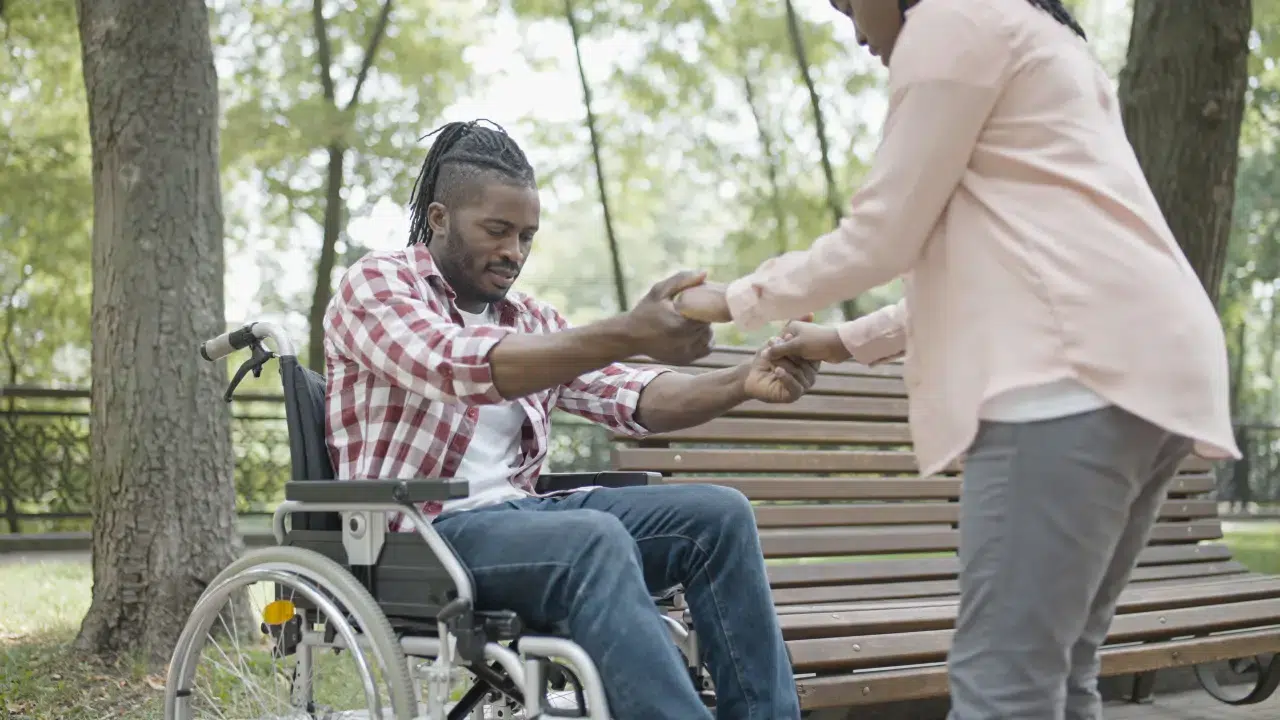
Recovery after a car accident is about a lot more than just patching up bruises. You’re rebuilding your confidence, dealing with paperwork, and getting your emotions back in line. Honestly, your health comes first. Even if you feel totally fine, let a doctor check you out. A lot of injuries go unnoticed at first, and catching them early really helps — not just for your body, but for insurance too. Early medical records can make your life much easier down the road.
Hang on to every record — doctor visits, prescriptions, even little notes about how you’re feeling. You’ll want those for insurance and, if it comes to it, any legal stuff. Don’t ignore your feelings. Accidents shake you up. Seeing a professional early, both for your body and your mind, gets you back to normal faster.
Think of recovery as three things working together: Healing your body, building up your emotional strength, and keeping your paperwork and plans in order. When your body feels better, you handle stress better. When you’re organized, you worry less. When you let yourself work through the emotional side, you actually heal — really heal. This all-around approach is the foundation of recovery after a car accident.
What to Do After a Car Accident
Everything feels a little chaotic right after a crash, but knowing what to do after a car accident keeps you safe and protects your rights. First, check if you or anyone else is hurt. That’s priority number one. If it’s safe, move your car out of the way so nothing else happens. Call 911 as soon as you can. If anyone’s hurt, let the dispatcher know so you get medical help right away.
Next, swap info with the other drivers — names, insurance, license plates. Don’t forget photos of the scene, the cars, and any injuries. Write down what happened while it’s fresh. Then, head to a doctor, even if you think you’re fine.
Remember, adrenaline is sneaky. You might feel fine, but that doesn’t mean you are. Hidden injuries are common, so don’t skip that medical visit. It’s not just smart — it’s necessary.
Why Seeing a Doctor Matters
Maybe you’re wondering why you should bother with a doctor if nothing hurts right away. Here’s the thing: Symptoms like neck pain after a car accident or headaches often show up later — sometimes hours, sometimes days. Seeing a doctor early means they catch problems before they turn serious.
You get three big benefits: Doctors spot hidden injuries like whiplash or internal bleeding, you’ll have solid medical records for insurance, and you stop small issues from turning into big ones. Physicians Group, LLC, offers same-day checkups and works with all kinds of auto insurance, so you won’t have to wait.
Injuries That Can’t Wait
Some injuries need attention now, even if they don’t hurt much. Back pain after a car accident could mean a spine problem. Neck stiffness might be whiplash. Sudden headaches, blurry vision, numbness, tingling, speech trouble, or heavy bleeding — don’t try to tough these out. Getting seen fast by an experienced team keeps things from getting worse and helps you heal.
Common Symptoms After an Accident
Not everything shows up right away. Watch out for neck pain after a car accident, headaches, dizziness, back pain after a car accident, bruises, and sore muscles. But don’t forget the emotional side — anxiety, mood swings, trouble sleeping, or replaying the crash in your mind. These are all real, and you shouldn’t brush them off. Getting help early, along with the right diagnostic tests, really improves your recovery.
How To Handle Insurance After an Accident
Dealing with insurance can be a headache, but you can make it easier. Report the accident fast, be honest, and save everything — medical records, police reports, receipts, the works. Don’t sign anything until you know what all your injuries are and how long recovery will take. If you need help, Physicians Group, LLC, can guide you through the insurance maze so you don’t get stuck.
When you’re gathering info for your claim, make sure you have these: The date, time, and location of the accident; everyone’s names and contact information; insurance policy numbers; plenty of photos; and the police report number. Your medical records matter too. All this protects your claim and makes things easier if you ever need a lawyer.
Filing a Claim: What to Do First
Getting your insurance claim right starts with acting fast. Call your insurance company right away — don’t wait. Give them all the details about the accident and any injuries. Fill out the claim forms carefully and include any medical bills or repair estimates. Keep copies of everything you send, just in case. The team at Physicians Group, LLC, can walk you through all of this, so you can focus on getting better.
Legal Stuff: When to Get Help
Sometimes accidents lead to legal headaches, especially if there’s a serious injury, nobody agrees on what happened, or the other driver doesn’t have insurance. Moving quickly really protects your rights. If your injuries are serious, the insurance isn’t treating you fairly, or no one can agree on who’s at fault, talk to a lawyer. The sooner, the better. Physicians Group, LLC, works with experienced attorneys who know accident recovery inside and out.
A personal injury case usually starts with a meeting, then some fact-finding, gathering paperwork, and negotiating with insurance companies. A lot of cases settle before anyone gets to court, but if things do go to trial, you’ll want to be prepared. Staying organized and making your medical care a priority helps your health — and your case.
Physical Recovery: How To Heal After a Car Accident
How to heal after a car accident takes more than just time. You need a plan that covers everything — medical treatment, rest, and slowly getting active again. For injuries like whiplash, back pain, or muscle strains, it’s important to have a plan for recovery after a car accident that fits you. That might mean seeing an auto injury specialist, pain management, chiropractic care, physical therapy, and easing back into your normal routine. Physicians Group, LLC, handles all the details, so you’re not left guessing what comes next.
Managing Pain and Discomfort
Pain is part of your recovery after a car accident, but it doesn’t have to take over your life. Stick to your prescribed medications, use ice or heat to help with swelling, try gentle stretches, and make it to every pain management appointment. If anything feels off or new symptoms show up, tell your care team immediately. There’s real hope for relief, and with the right support, things get better.
Exercises That Help You Heal
Rehab exercises help you regain strength and flexibility. You might start with simple things like neck rotations, shoulder shrugs, walking, or stretching your neck, back, and legs. Don’t underestimate deep breathing and relaxation exercises — they really help too. Our physical therapists can put together plans that fit your specific injuries and comfort level. Always talk to your doctor before starting new exercises. Usually, physical therapy after a car accident is the safest and fastest way to feel like yourself again.
Nutrition and Sleep: The Basics That Matter
Healing isn’t just what happens at the doctor’s office. What you eat and how you rest matter a lot in your recovery after a car accident. Good food — think protein, vitamins, and minerals — helps your body repair itself. Drink plenty of water to fight inflammation. Don’t skimp on sleep. Deep, consistent rest is when your body heals the most. These simple habits make a big difference in your recovery.
Getting Back to Work
Many people wonder how to recover after a car accident and return to work. There’s no one-size-fits-all answer. It depends on your injuries and what your job demands. Some folks are back in a couple of weeks; others take a few months. Keep your boss in the loop, bring any doctor’s notes, and if you can, start back slowly. Physicians Group, LLC, can help you plan this step. Take your time in returning to work after an accident — rushing it can set you back.
Finding Your Nerve to Drive Again
Getting behind the wheel after an accident can be scary. That’s totally normal. Start by riding along as a passenger, then drive short and familiar routes. Slowly build up to longer drives as your confidence returns. If anxiety sticks around, counseling or driver rehab programs can help. Regaining your comfort with driving is a big part of your recovery after a car accident.
Emotional Recovery: Don’t Forget Your Mind
Physical healing is one thing, but don’t ignore your feelings. Even a minor accident can leave you anxious or shaken. Admitting you’re struggling is the first step to getting better.
Dealing With Post-Traumatic Stress
Sometimes, the stress after a crash sticks around — nightmares, flashbacks, or panic can pop up out of nowhere. It helps to talk about what you’re feeling, reach out for counseling if things don’t improve, stick to your routines, and lean on friends and family. Deep breathing and relaxation techniques go a long way too. These tools matter for whiplash recovery and for feeling like yourself again, inside and out.
Leaning on Loved Ones
Let’s be honest — nobody gets through recovery alone. Family and friends make a huge difference. They’ll drive you to appointments, remind you to take it easy, and just listen when you need to vent. Sharing your ups and downs with people you trust actually makes the whole process feel less overwhelming.
Building Resilience
Recovery isn’t just about your body — your mind matters too. Try keeping a journal, set small, doable goals, and actually celebrate when you hit them. Little wins add up. These steps help you feel more in control, less anxious, and honestly, a lot more confident as time goes on.
Counseling and Therapy Options
Sometimes, you need more than just willpower. Professional counseling gives you real tools and structure. Cognitive behavioral therapy (CBT) can help you break out of negative thought patterns, and trauma-focused therapy tackles flashbacks and anxiety head-on. Group therapy’s also great — it reminds you that you’re not in this alone.
Typical Recovery Timeline After a Car Accident
Everyone’s timeline is different, but here’s a rough idea of what to expect:
• First 72 hours: You’ll get checked out by a doctor, start pain management, and focus on rest.
• First 2 weeks: Things like whiplash or bruises show up more clearly. Physical therapy after a car accident often starts here.
• Weeks 3–6: You’ll probably notice better movement and less pain. Emotional stuff might pop up around now too.
• Months 2–6: Therapy continues, returning to work after an accident might start, and you’ll tweak your daily routine as needed.
• After 6 months: For serious injuries, recovery can stretch longer. You might still need counseling or be wrapping up legal stuff.
This outline represents a typical recovery timeline after a car accident. But remember, this is just a guide. Some people bounce back fast; others take more time — and that’s OK.
FAQ: Recovery After a Car Accident
1. How soon should I see a doctor?
Don’t wait. Even if you feel fine, get checked out right away. Some injuries — like whiplash or a concussion — take time to show up. Plus, seeing a doctor early helps with insurance and any legal stuff later.
2. Does Physicians Group, LLC, take auto insurance?
Absolutely. We work with all auto insurance providers, and our staff handles all the paperwork and claims so you can focus on healing.
3. What services do you offer after a car accident?
We’ve got you covered — medical evaluations, chiropractic care, physical therapy, pain management, diagnostic imaging, and more. Everything’s tailored to your specific injuries and goals.
4. How long does recovery take?
It really depends. Minor injuries might heal in weeks, but things like whiplash or back pain can last months. Severe injuries sometimes need a year or more of therapy. Your doctor will map out a recovery plan just for you.
5. When can I go back to work?
It depends on your job and the injury. Some people are back doing light duties in a few weeks, others need longer. We’ll handle all the paperwork and provide clear advice on how to return safely.
6. What if I’m scared to drive again?
Honestly, that’s normal. Start by riding as a passenger, then try short, familiar routes. If anxiety sticks around, counseling or a driver rehab program can really help.
7. Do I need a lawyer?
Not always. But if fault is in question, injuries are serious, or the other driver isn’t insured, legal advice is smart. A lawyer can make sure you’re treated fairly.
8. Why is physical therapy important?
Physical therapy helps you regain strength, flexibility, and confidence — especially for whiplash recovery, back pain management, and regaining confidence in daily activities. It gets you moving and back to your normal life.
9. How do I handle the emotional side of recovery?
Talk about your feelings — don’t bottle them up. If you’re still struggling after a few weeks, counseling helps. Lean on your support system and try things like deep breathing or meditation to relax.
Take Charge of Your Recovery After a Car Accident
Your recovery after a car accident isn’t just about fixing what’s broken. It’s about getting your life, comfort, and confidence back. Every step matters — from that first doctor’s visit to the last physical therapy session. Whether you’re dealing with neck pain after a car accident, back pain after a car accident, or the emotional aftermath, getting professional help is the best thing you can do for yourself.
At Physicians Group, LLC, we’re with you all the way. We handle everything from tests to emotional support. Visit us in any of our convenient locations. We handle all auto insurance and ensure your paperwork and claims are handled so you can focus on what really matters — your recovery and peace of mind.
Don’t wait. The sooner you act, the better your results — physically, emotionally, and practically. Call us now at (866) 600‑2778 or visit our contact page to take the first step toward recovery after a car accident. Let’s get you moving forward — toward success that feels both achievable and inspiring.
If you have more questions or want to read related topics, visit our blog or see our full FAQ.
Additional Resources:
For further support and information, consider these resources:
National Highway Traffic Safety Administration (NHTSA): Offers safety tips and accident prevention advice.
Insurance Information Institute: Provides guidance on insurance claims and coverage.
American Psychological Association (APA): Resources for coping with trauma and emotional recovery.