

Joint pain can sometimes mean something serious is going on. Minor pain may come from a minor injury or using the joint too much.
However, severe or lasting pain could be a sign of arthritis or another joint problem. If the pain lasts for weeks, causes swelling, or affects many joints, it’s important to see a doctor.
Early care can help manage symptoms, protect your joints, and stop more damage. If your pain does not get better or keeps coming back, don’t wait.
At Physicians Group, LLC, our caring team will find out what’s causing your joint pain. We’ll explain the type of pain and create a treatment plan to help you feel better.
What Should You Know About Joint Pain and Stiffness?
Joint pain and stiffness can make daily life harder. These problems often begin when the soft tissue around the joint becomes swollen. Cartilage may also wear down, which can lead to increased pain and reduced movement.
Many people feel stiffness in the morning or after sitting for a long time. You may notice your joints feel tight, hard to move, or even sore. Simple actions like walking or bending might take extra effort.
In some cases, stiffness comes from health issues like arthritis. Injuries, overuse, or cold weather may also cause it.
However, if the problem lasts more than a few days, don’t ignore it. When stiffness gets in the way of your routine, it’s time to talk to a doctor.
Getting early care can ease your pain, help you move better, and protect your joint health for the future.
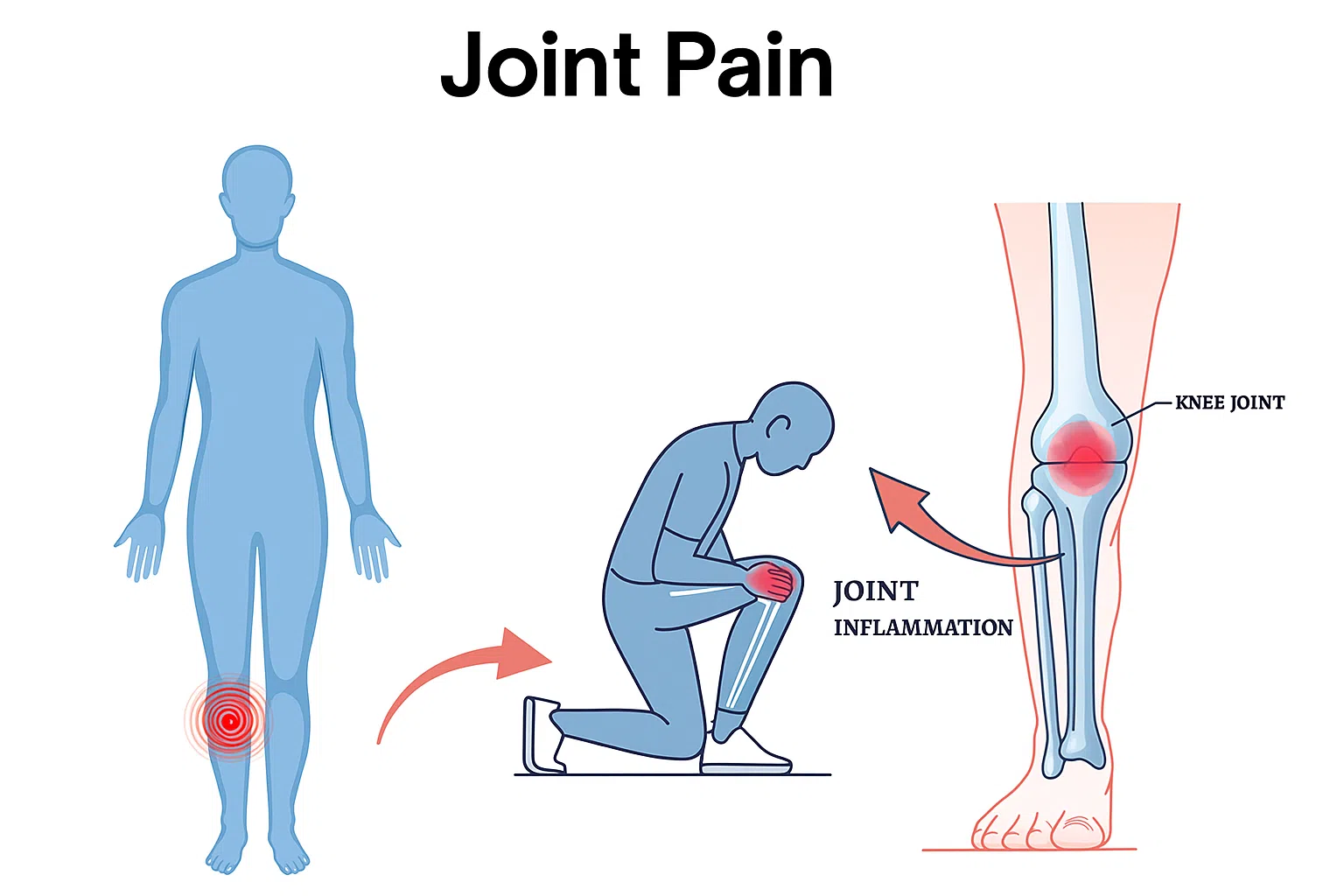
What Exactly Happens When You Experience Joint Pain?
When you feel joint pain, it often means something inside the joint is not working properly. The tissues may be swollen or damaged. These problems send pain signals to your brain.
As swelling grows, it can affect nearby muscles, tendons, and ligaments. This causes even more pain and makes movement harder.
You might feel this pain after a fall, an infection, or from using the joint too much.
In osteoarthritis, the joint lining becomes inflamed after cartilage wear and tear. Immune cells collect in the joint, worsening the pain and stiffness. This can lead to long-term joint pain and stiffness.
Knowing what’s happening inside the joint helps doctors choose the best care. The goal is to lower pain, protect movement, and improve joint health.
Which Symptoms of Joint Pain Require Attention?
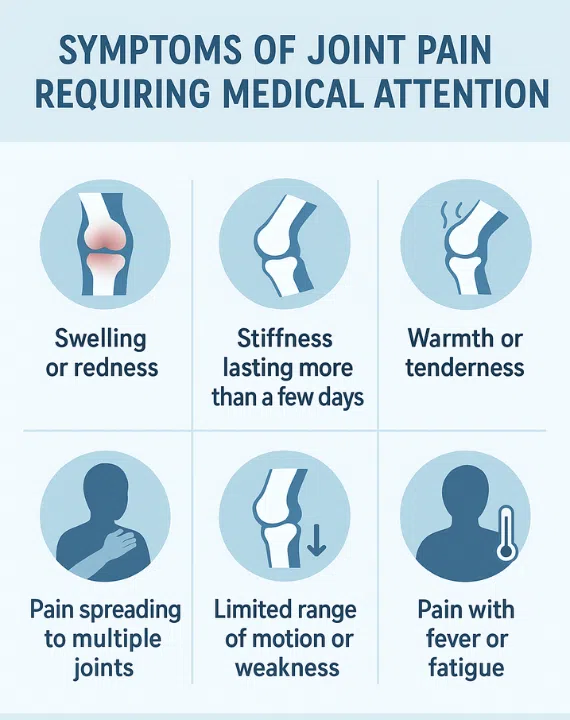
Some symptoms of joint pain that mean you should get medical care.
Here are signs that need attention:
- Swelling or redness around a joint
- Stiffness that lasts for days
- Pain that spreads to more than one joint
- Joint warmth or tenderness
- Trouble bending or using the joint
- Pain with fever or tiredness
In short, persistent pain could indicate arthritis or another serious condition. Getting help early makes a big difference.
What Are the Possible Causes of Joint Pain?
Joint pain can happen for many reasons. It may affect just one joint or many joints at the same time. Some of the most common causes of joint pain include arthritis, injuries, and musculoskeletal disorders like tendinitis or bursitis. Each of these problems affects your joints in different ways. They can lead to pain, swelling, and stiffness that make daily tasks harder.
Here are some common causes of joint pain.
Arthritis and Related Conditions
Osteoarthritis happens when the cartilage that protects your bones wears away over time. This causes bones to rub together, leading to pain and swelling. Other forms of arthritis, like rheumatoid arthritis and psoriatic arthritis, are autoimmune diseases. These conditions cause the immune system to attack healthy joints. As a result, joints become swollen, weak, and damaged. These types of arthritis can affect one joint or many joints in the body.
Overuse or Repeated Strain
Doing the same motion repeatedly can strain the tendons and ligaments around your joints. This may cause sharp pain and weakness. For example, runners may get knee pain. People who lift weights often may feel shoulder pain.
Traumatic Injuries
Sprains, fractures, or dislocations can cause sudden and painful swelling. Sometimes, fluid builds up in the joint, making it stiff and hard to move.
Autoimmune and Systemic Disorders
Diseases like lupus and gout can also cause joint pain. These conditions confuse the immune system, making it attack the joints. Gout, for example, happens when crystals form inside a joint, often in the big toe. This causes strong, sudden pain.
Degenerative and Structural Problems
As people get older, joints can wear out. This may lead to cartilage loss, bone misalignment, or joint fusion. In severe cases, joint replacement surgery may be needed to ease joint pain and restore movement.
Understanding the cause of joint pain is key to finding the proper care. With early diagnosis, you can prevent long-term damage and keep your joints healthy.
When Does Joint Pain Become a Serious Health Concern?
Joint pain may be a sign of a bigger problem when it’s strong, lasts a long time, or comes with other warning signs. These may include swelling, fever, or joints that look different than normal.
Sometimes, pain goes away with rest and care at home. However, if it keeps coming back or gets worse, it may indicate arthritis, an infection, or another orthopedic condition. These problems require medical care.
When Should You Visit an Orthopedic Doctor for Joint Pain?
You should see a doctor if:
- Pain lasts more than a few days, even with rest and medicine
- Daily tasks become hard, like walking or climbing stairs
- Stiffness or tiredness continues, especially in the morning
- Strange symptoms appear, like rashes, dry eyes, or weight loss
An orthopedic doctor can identify the cause, order tests, and create a care plan to reduce pain and improve movement.
What Are the Best Treatment Options for Joint Pain?
The best treatment options for joint pain depend on the cause and severity of your condition. You may benefit from at-home care, medications, or therapy to reduce pain and inflammation. In advanced cases, medical procedures or surgery may help restore mobility and provide long-term relief from pain.
Can Home Remedies Help Relieve Joint Pain Naturally?
Yes, home remedies can help relieve joint pain naturally by reducing inflammation, improving flexibility, and supporting healing. Simple lifestyle changes, such as gentle movement, proper rest, and maintaining a healthy weight, can help ease your pain. These methods also help strengthen the joint and prevent future discomfort.
Here are at-home remedies and lifestyle treatments.
Rest, Ice, Compression, and Elevation (R.I.C.E.)
This simple method helps reduce swelling and pain following minor injuries or flare-ups. Applying ice for 15–20 minutes several times a day can help reduce inflammation around the affected joint.
Heat Therapy
Using a heating pad or taking a warm bath increases blood flow, relaxes surrounding muscles, and improves joint movement. Alternating heat and cold therapy may help relieve chronic joint pain.
Gentle Exercise
Low-impact activities, such as walking, swimming, or yoga, help keep joints flexible and maintain muscle strength without causing additional strain. Regular movement also supports a better range of motion.
Weight Management
Maintaining a healthy weight reduces pressure on weight-bearing joints, such as the knees, hips, and spine. Even slight weight loss can make a noticeable difference in pain levels.
Supportive Devices
Braces, orthotic inserts, or canes can stabilize the joint, reduce unnecessary movement, and help prevent pain from worsening.
Massage Therapy
Gentle massage increases blood circulation, relaxes tight muscles, and provides short-term pain relief. Combining massage with stretching can further improve flexibility and joint comfort.
When used consistently, these natural approaches can help alleviate pain, reduce stiffness, and enhance overall joint function. However, if pain persists or worsens, you should work with your doctor to explore additional treatment options for lasting joint pain relief.
Take Charge of Your Joint Health Today With Physicians Group, LLC – Get Personalized Relief Now!
Living with joint pain can make even simple tasks feel exhausting. You may struggle to walk, bend, or sleep comfortably, and the constant stiffness can limit your independence. Over time, untreated pain can affect your mood, energy, and overall quality of life. Ignoring these symptoms often allows the problem to worsen, making recovery more difficult and painful.
At Physicians Group, LLC, we understand how joint pain can affect every part of your life. Our team of experienced orthopedic specialists uses advanced diagnostic tools and personalized treatment plans to help you find lasting relief. From targeted therapies and pain management options to physical rehabilitation and lifestyle guidance, we work with you to restore movement, reduce pain, and protect long-term joint health. So you can get back to living comfortably and confidently.
FAQs
What health conditions can cause joint pain?
Several health topics related to joint pain include inflammation, cartilage wear, and autoimmune reactions. Conditions like gout, psoriatic arthritis, and lupus can also cause joint pain by triggering immune responses that damage joint tissues over time.
How can diet and nutrition help with joint pain relief?
Eating foods rich in omega-3 fatty acids, vitamin D, and antioxidants may reduce pain and inflammation. Avoiding processed foods and sugar helps prevent joint stiffness. A balanced diet supports overall joint health and complements other natural remedies for managing chronic pain.
Can weather changes cause joint pain?
Yes, sudden drops in temperature or changes in humidity can cause joint pain. These shifts affect joint pressure and fluid levels, leading to stiffness or discomfort. Many people with joint conditions, such as arthritis, notice increased pain during cold or rainy weather.
How can mental health affect joint pain?
Stress, anxiety, and depression can amplify how your body perceives pain signals. Emotional tension often increases muscle tension, which can cause joint pain or exacerbate existing discomfort. Addressing both physical and emotional wellness is essential for effective pain management and overall health, including joint care and maintenance.